

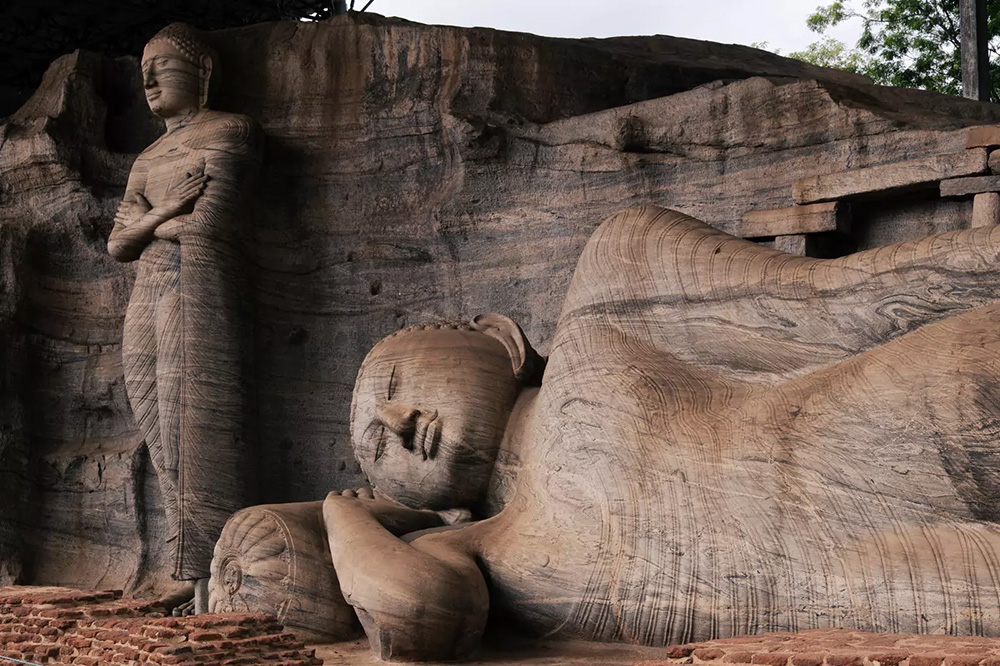
The Medieval Majesty of Sri Lanka
Polonnaruwa, Sri Lanka’s second ancient capital and a UNESCO World Heritage Site, is a city where history and artistry converge. Flourishing between the 11th and 13th centuries under King Parakramabahu, Polonnaruwa showcases the island’s medieval grandeur through its well‑preserved ruins, temples, and reservoirs. Unlike Anuradhapura’s sprawling sacred city, Polonnaruwa is more compact, making it easier to explore while still offering a wealth of cultural treasures.
Visitors are captivated by the city’s remarkable stone carvings, colossal Buddha statues, and intricately designed stupas. The Gal Vihara, with its four massive rock‑cut Buddha images, is considered one of Sri Lanka’s greatest artistic achievements. Beyond its monuments, Polonnaruwa reflects the ingenuity of ancient hydraulic engineering, with vast reservoirs like Parakrama Samudra still sustaining local communities today.
For travelers, Polonnaruwa offers a journey into Sri Lanka’s medieval past, blending spirituality, architecture, and everyday village life. Cycling through the ruins, watching pilgrims at sacred shrines, and exploring nearby wildlife parks make Polonnaruwa a destination that is both historically rich and experientially diverse.
Top Things to See & Do
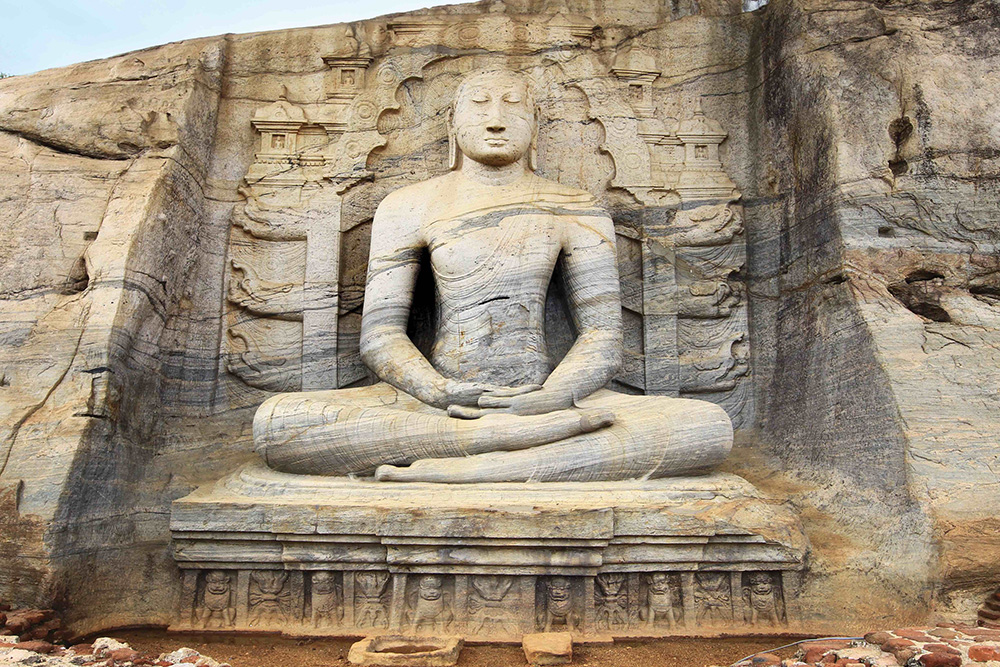
Gal Vihara
Admire the four colossal Buddha statues carved into granite, a masterpiece of Sinhalese sculpture.
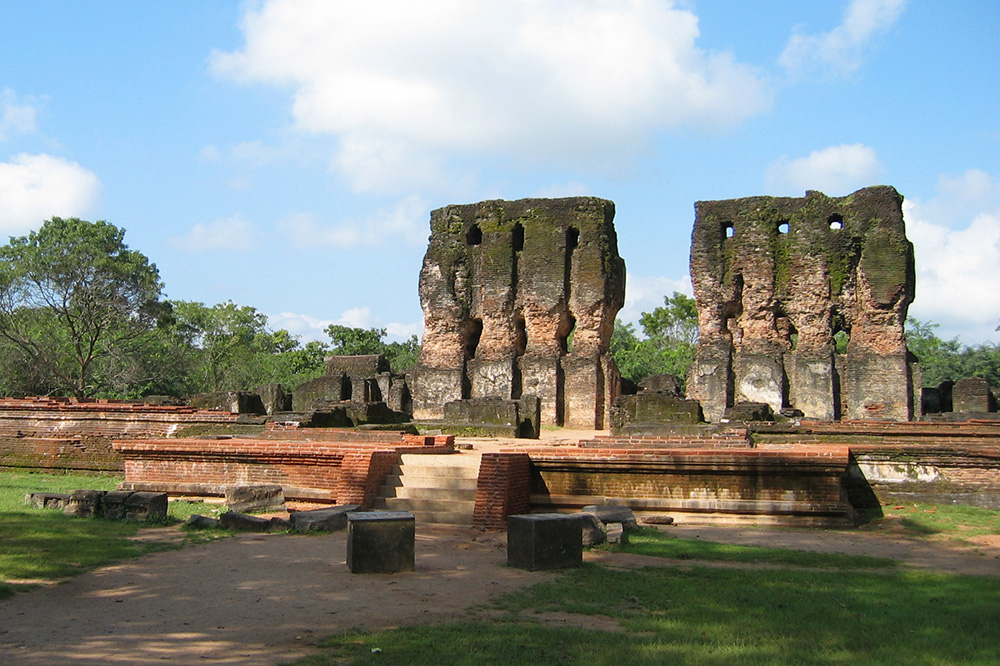
Royal Palace Complex
Explore the remains of King Parakramabahu’s palace and council chambers.
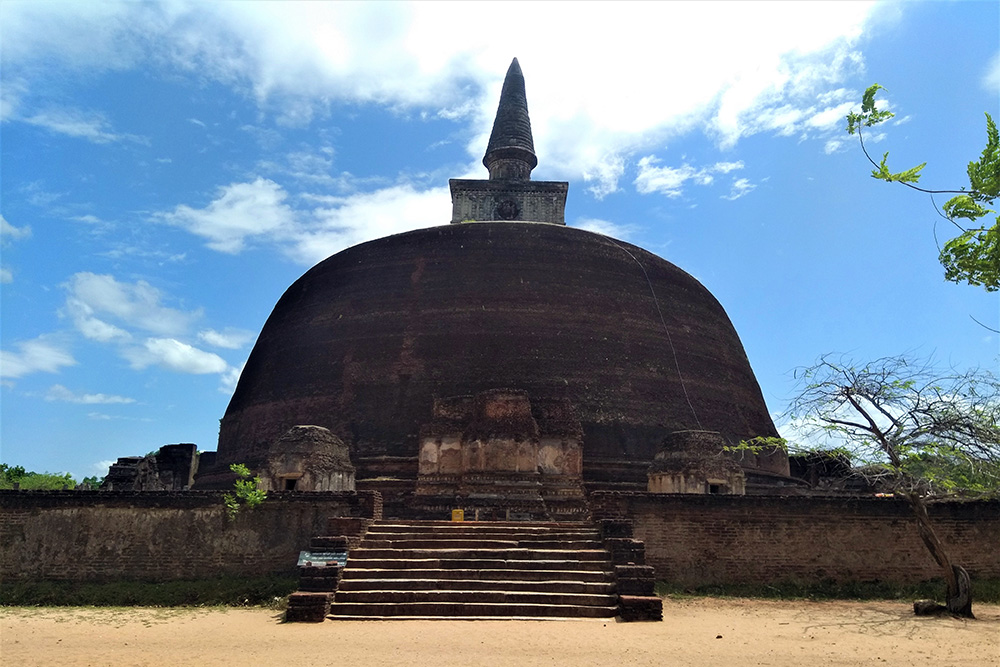
Rankoth Vehera
A towering stupa symbolizing the city’s religious devotion.
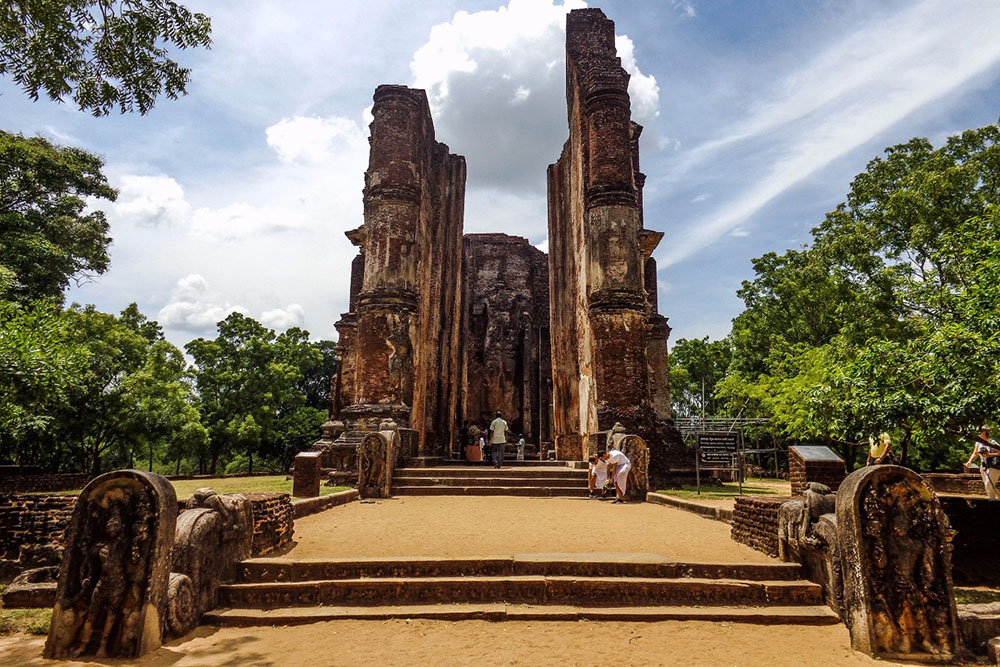
Lankatilaka Temple
Famous for its massive standing Buddha statue framed by towering brick walls.
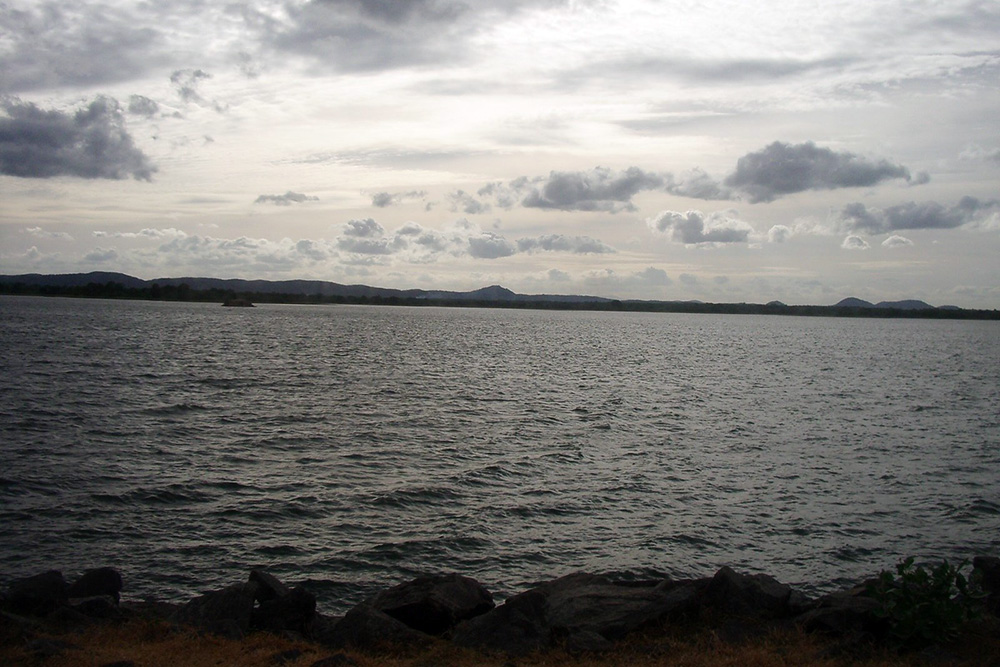
Parakrama Samudra
A vast reservoir showcasing ancient hydraulic engineering.
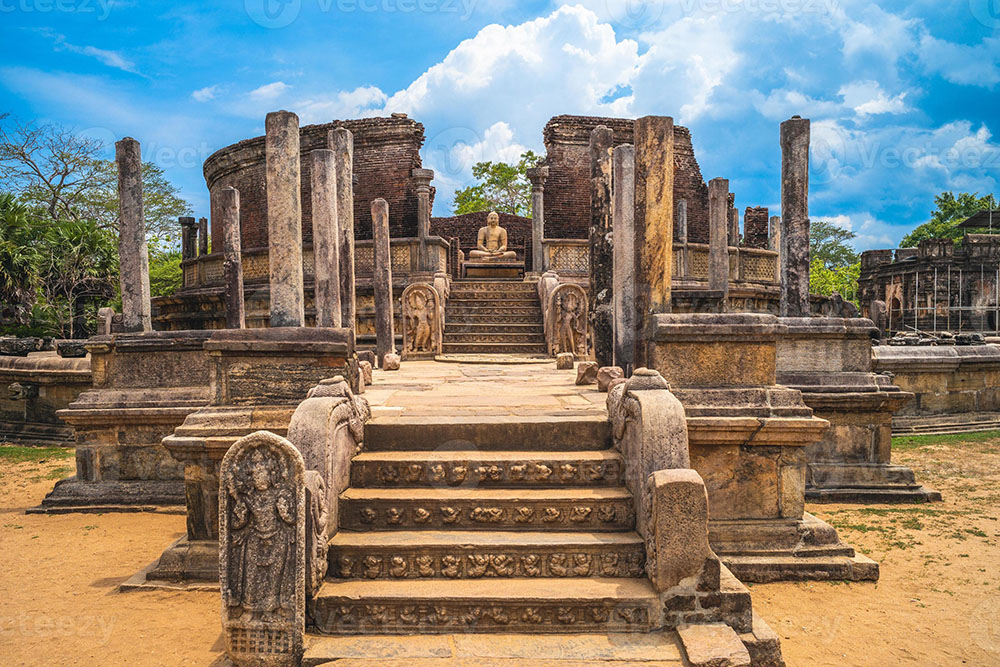
Sacred Quadrangle
A compact area filled with temples, shrines, and the Vatadage, once housing the Sacred Tooth Relic.
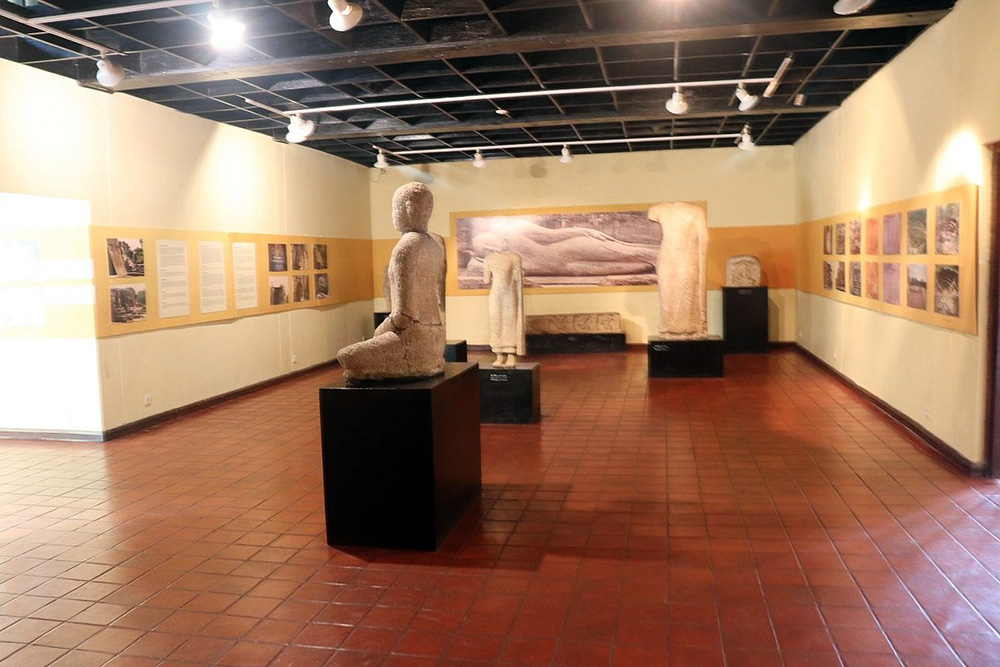
Archaeological Museum
Learn about Polonnaruwa’s history through artifacts and reconstructions.
Local Tips & Insights
- Explore by bicycle: The ruins are spread out but manageable by bike, offering a scenic and immersive experience.
- Hire a guide: Gain deeper insights into the symbolism and history of Polonnaruwa’s monuments.
- Start early or late afternoon: Avoid the midday heat and enjoy softer light for photography.
- Combine with Minneriya Safari: Located nearby, it’s perfect for spotting elephants after exploring the ruins.
- Stay hydrated: Carry water, as facilities within the site are limited.
- Respect religious sites: Dress modestly when visiting temples and stupas.
Trails Include Polonnaruwa
Comments are closed